




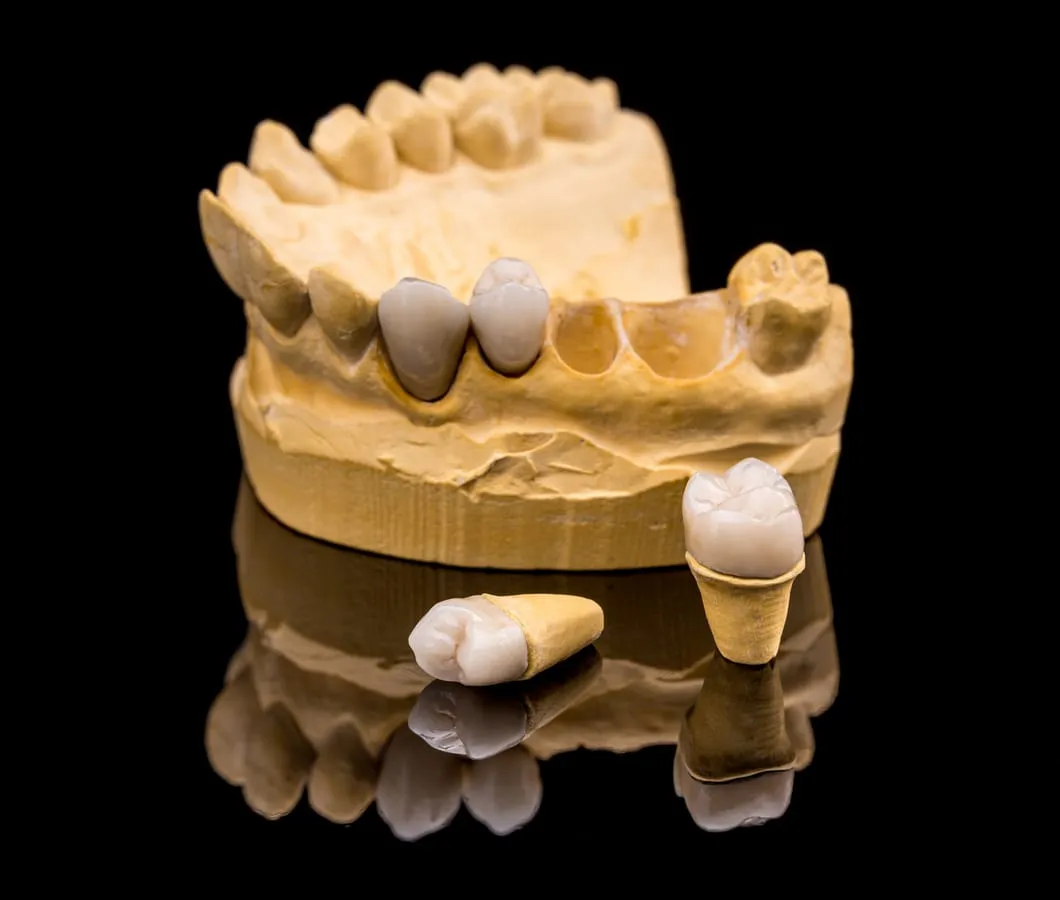
Temporary crowns are a common dental solution provided to protect a tooth while a permanent crown is being made. At Gallagher Family Dentistry New in Metairie, LA, we understand that while these temporary fixtures are crucial, they require special care to ensure they serve their purpose effectively. Proper temporary crown maintenance is essential to avoid discomfort and ensure a seamless transition to your permanent crown.
Temporary crowns play a critical role in dental health, acting as placeholders to maintain the position of your tooth and gum health until a permanent crown is ready. Although they are not as durable as permanent crowns, with the right care, they can comfortably last the necessary duration. This article provides detailed guidance on how to care for your temporary crown, ensuring it stays intact and your mouth remains healthy.
What Are Temporary Crowns?
Temporary crowns are provisional tooth caps that protect and cover a damaged tooth or a tooth with a root canal treatment while waiting for the permanent crown. Made from acrylic or similar materials, these crowns are designed to look like natural teeth but are not as sturdy as their permanent counterparts.
The main role of a temporary crown is to provide protection to the prepared tooth, maintain proper spacing between teeth, and ensure that your gums remain healthy. They are typically used for a short duration, often a few weeks, until the permanent crown is fabricated and ready for placement.
The Importance of Proper Care
Caring for your temporary crown is crucial to prevent any complications or discomfort. Proper maintenance ensures that the temporary crown stays intact, protecting the underlying tooth and preventing any potential gum irritation or infection.
Without adequate care, a temporary crown can become loose or fall off, exposing the sensitive tooth beneath. This exposure can lead to increased sensitivity, discomfort, and even the risk of further dental issues. Therefore, meticulous care and attention are vital.
Dietary Guidelines for Temporary Crowns
Your diet plays a significant role in the longevity and stability of your temporary crown. It is essential to avoid hard or sticky foods that can dislodge or damage the crown. Instead, opt for softer foods that require minimal chewing to reduce stress on the crown.
- Sticky Foods: Avoid foods like caramel, chewing gum, and toffee, which can latch onto the crown and pull it off.
- Hard Foods: Refrain from eating hard candies, nuts, and ice cubes that can crack or dislodge the crown.
- Chewing Habits: Try to chew on the opposite side of the mouth to minimize pressure on the temporary crown.
Oral Hygiene Tips
Maintaining good oral hygiene is essential when you have a temporary crown. Regular brushing and flossing help prevent plaque buildup and keep your gums healthy. However, it's important to exercise caution to avoid dislodging the crown.
- Brushing: Use a soft-bristled toothbrush and gentle circular motions to clean around the temporary crown.
- Flossing: Instead of pulling the floss up, slide it out gently to avoid lifting the crown.
- Mouthwash: Consider using an antibacterial mouthwash to help keep your mouth clean and free from bacteria.
What to Avoid with Temporary Crowns
Certain habits and actions can jeopardize the integrity of your temporary crown. Avoid such behaviors to ensure your crown remains effective until your permanent crown is ready.
- Avoid Using the Crown as a Tool: Never use your teeth to open packages or bottles, as this can damage the crown.
- Refrain from Smoking: Smoking can stain the resin material of temporary crowns and affect gum health.
- Limit Sugary Drinks: Excessive sugar intake can increase the risk of tooth decay around the temporary crown.
Key Clinical Takeaways
- Proper care of temporary crowns prevents discomfort and extends their lifespan.
- Avoid hard and sticky foods to keep your crown intact.
- Maintain excellent oral hygiene to protect the crown and underlying tooth.
- Stay mindful of habits that could damage or dislodge your crown.
Frequently Asked Questions
How long do temporary crowns last?
Temporary crowns are designed to last for a short period, typically a few weeks, while the permanent crown is being made. Proper care can help them last until your next appointment.
Can I eat normally with a temporary crown?
Yes, but with caution. It's advisable to avoid sticky, hard, or chewy foods that could dislodge the crown. Opt for softer foods and chew on the opposite side of your mouth.
What should I do if my temporary crown falls out?
If your temporary crown falls out, contact our emergency dentistry services immediately. Do not attempt to reattach it yourself.
Are temporary crowns uncomfortable?
Initially, a temporary crown may feel different, but it should not cause significant discomfort. If you experience pain, contact us for an evaluation.
Conclusion
Taking care of your temporary crown is essential for maintaining your dental health and ensuring a smooth transition to your permanent crown. By following these guidelines and maintaining regular dental appointments, you can protect your tooth and avoid unnecessary complications.
If you have any concerns about your temporary crown or need more personalized advice, our team at Gallagher Family Dentistry New in Metairie is ready to assist you. Schedule your appointment today to ensure your dental health remains optimal.