




Restorative Dentistry
Comfortable, precise endodontic care that stops tooth pain at its source and protects your natural tooth for years to come.
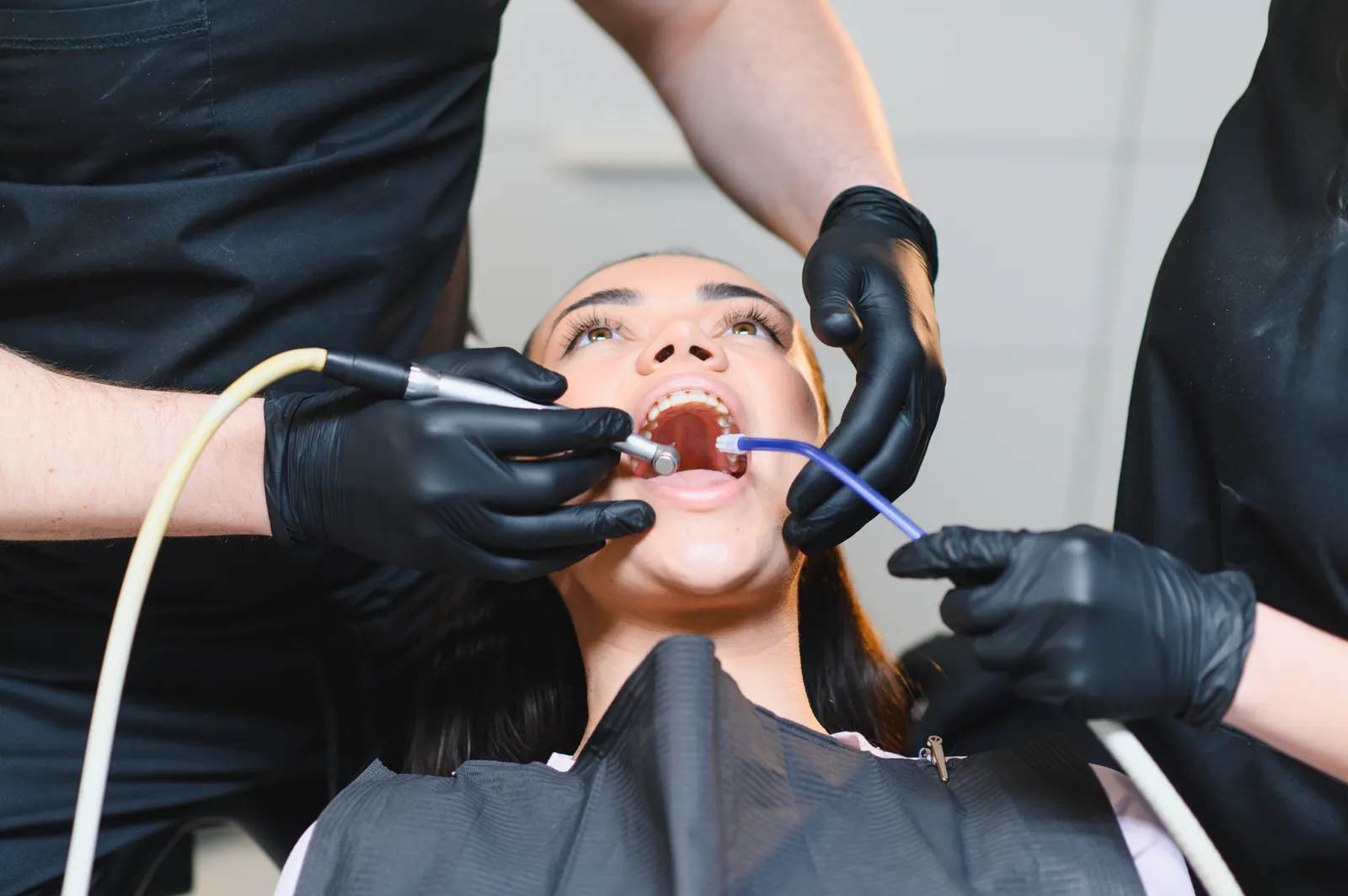
Inside every tooth sits a soft core called the pulp, made up of nerves, blood vessels, and connective tissue. When deep decay, a cracked tooth, or an old filling allows bacteria to reach that pulp, the result is often a deep, throbbing ache that doesn't let up - pain that can disrupt sleep, make chewing on one side of your mouth unbearable, and leave you dreading cold drinks or hot coffee. At Gallagher Family Dentistry, root canal therapy is how we stop that infection, relieve the pressure, and save the natural tooth that's causing you so much discomfort.
We understand that "root canal" is a phrase that makes a lot of patients nervous, often based on outdated stories rather than modern reality. Today's root canal treatment, performed with precise instruments and a gentle, patient-first approach, is designed to relieve pain, not cause it. Most patients tell us the procedure feels very similar to getting a routine filling, and the relief they feel afterward is immediate and significant compared to the infection pain they came in with.
Our clinical philosophy is built around saving your natural tooth whenever possible, because nothing restores chewing function, bite stability, and a natural smile quite like the tooth you already have. We take time to explain exactly what's happening inside your tooth, walk you through every step of treatment, and make sure you're comfortable and informed from your first exam through your final restoration.
Tooth pulp infections don't always announce themselves the same way in every patient. Some people experience sudden, sharp pain, while others notice a dull ache that gradually worsens over weeks. Recognizing these warning signs early helps us intervene before the infection spreads or the tooth becomes impossible to save.
Because infection can spread silently and sometimes without obvious pain, a thorough clinical exam and digital X-ray are the only reliable way to confirm what's happening inside a tooth. Waiting too long can allow the infection to spread into the jawbone, increase your risk of needing an extraction, and make treatment more complex and costly down the road.
Pulp infections rarely come from a single cause. Most of the time, several factors build up over months or years before the nerve finally becomes irritated enough to cause pain.
Cavities that go unaddressed slowly eat through enamel and dentin until bacteria reach the pulp chamber, triggering inflammation and eventually infection.
A sports injury, fall, or hard bite on something unexpected can crack or fracture a tooth, exposing nerve tissue to bacteria even without visible decay.
Teeth that have been filled, re-filled, or crowned multiple times can develop cumulative irritation to the nerve, which may eventually become inflamed or infected.
Old fillings with micro-leaks allow bacteria to seep underneath undetected, slowly infecting the deeper tooth structure without obvious outward signs.
Persistent clenching or grinding wears down enamel and creates micro-cracks over time, giving bacteria a pathway toward the nerve chamber.
Advanced periodontal infection can travel down along the root surface and reach the pulp from below, infecting the nerve from an unexpected direction.
Every root canal we perform is built around your comfort and your specific tooth anatomy. Here's what you can expect, step by step, from your first visit through your final restoration.
We start by listening - where it hurts, how long it's lasted, and what makes it worse. This gives us important clues before we even look inside your mouth.
Digital X-rays and a careful exam confirm the source of the infection, show us the shape of the root canals, and reveal whether the tooth can be saved.
We explain exactly what the procedure involves, what the tooth will need afterward (typically a crown), and answer every question before we proceed.
With the area fully numbed, we remove the infected pulp tissue, clean and shape the canals, and seal them to prevent reinfection - all while keeping you comfortable.
We check your healing, fit you for a protective crown to restore full chewing strength, and remain available if you have any questions during recovery.
A successful root canal does more than quiet a toothache for a few days. It removes the source of infection entirely and gives your tooth a real chance at functioning normally for many years.
Removing the infected or inflamed nerve tissue eliminates the source of pressure and pain, often bringing noticeable relief right after the procedure.
Keeping your own tooth preserves jawbone structure and bite alignment far better than an extraction and replacement ever could.
Once the tooth is sealed and crowned, you can bite and chew normally again without the sharp pain that made eating difficult before treatment.
Treating the infection at its source prevents it from spreading into the jawbone or surrounding teeth, avoiding more serious complications later.
Patients consistently tell us how much better they sleep and function once the constant background ache of an infected tooth is finally gone.
A properly restored tooth with a matching crown blends seamlessly with your smile, so no one will know it ever needed treatment.
It's common for patients to try to ride out tooth pain, hoping it will fade on its own. Unfortunately, once bacteria reach the pulp, the infection doesn't resolve by itself - it typically worsens, spreading through the root canal system and sometimes into the surrounding bone. What starts as sensitivity to cold can progress into constant throbbing, facial swelling, or a painful abscess that requires emergency care.
Delaying treatment also narrows your options. A tooth that could have been saved with root canal therapy early on may eventually require extraction if the infection destroys too much supporting bone or structure. Extraction then opens a new set of decisions around replacing the missing tooth with a bridge or implant, which is typically more involved and costly than treating the original problem.
This is why we encourage patients experiencing any of the warning signs discussed earlier to come in promptly rather than waiting to see if the pain subsides. Acting early almost always means a simpler procedure, a faster recovery, and a better long-term outcome for the tooth.
Good habits before and after root canal therapy support healing and help protect the treated tooth for the long run.
Until your permanent crown is placed, chew on the opposite side to protect the tooth from fracturing under pressure.
Use any prescribed antibiotics or recommended over-the-counter pain relief exactly as instructed to control inflammation and prevent reinfection.
Continue brushing twice daily around the treated tooth with a soft-bristled brush to keep the area clean while it heals.
A treated tooth without a crown is vulnerable to fracture, so scheduling your restoration promptly protects your investment in treatment.
If you grind your teeth at night, ask us about a custom nightguard to protect both the treated tooth and your remaining natural teeth.
Routine exams let us monitor the treated tooth over time and catch any new issues long before they become painful.
These habits support healing, but they aren't a substitute for professional diagnosis and care. If you ever notice renewed pain, swelling, or sensitivity around a treated tooth, contact our office right away.
"We know no one wants to hear they need a root canal. Our goal every single time is to make the appointment calmer and more comfortable than patients expect, and to send them home relieved instead of dreading the next visit."
Straight answers about what to expect before, during, and after root canal treatment at our Metairie office.
BOOK YOUR VISIT
Join the Metairie families who trust Gallagher Family Dentistry New. New patients and emergencies are always welcome.