




Restorative Dentistry
Protect a weakened tooth and restore its strength and appearance with a custom-fitted dental crown built to last.
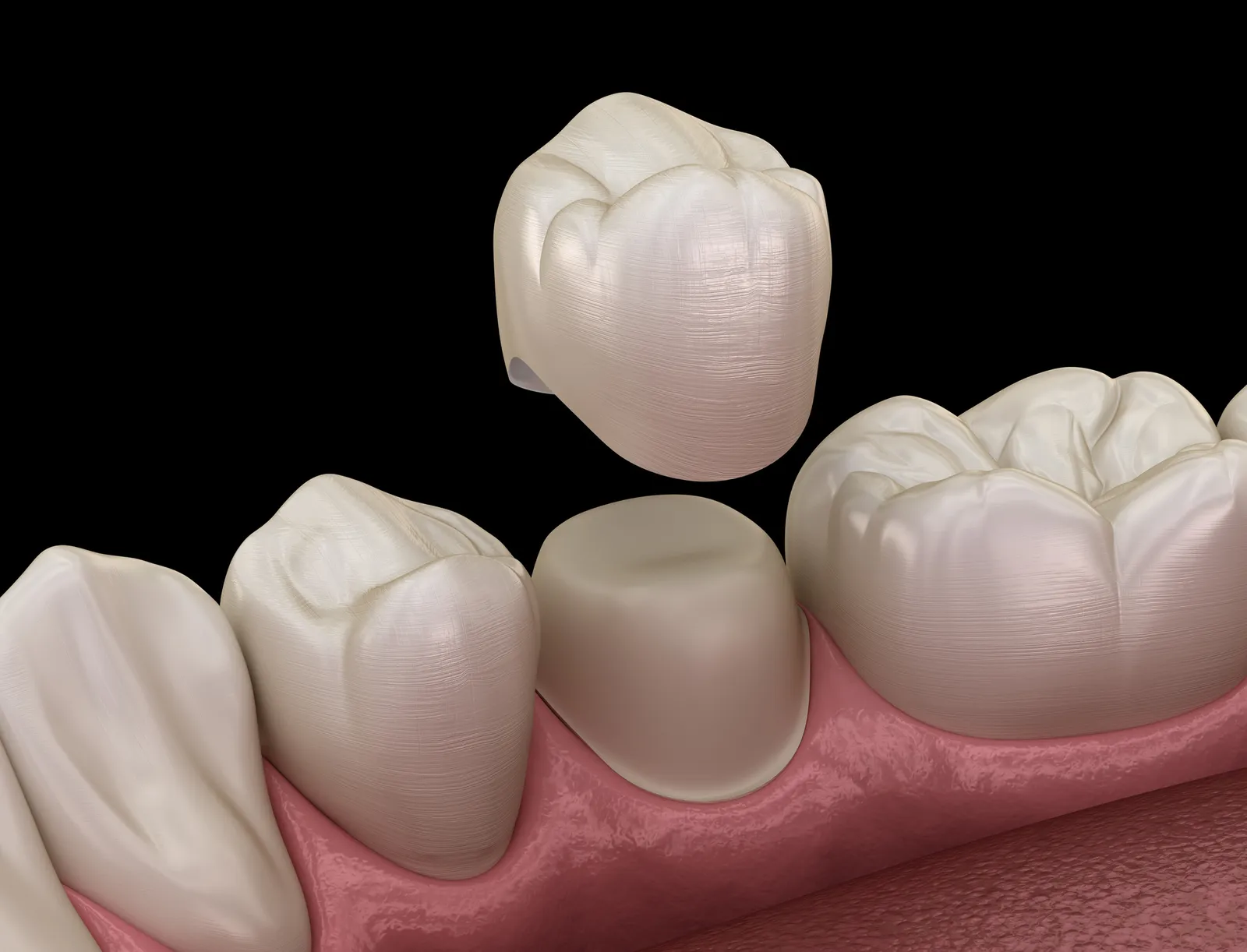
A tooth weakened by a large filling, a deep crack, or decay can't always be repaired with a simple patch. Once a tooth loses enough of its natural structure, it needs a full-coverage restoration to keep it functioning and to stop the damage from spreading. A dental crown does exactly that - it caps the entire visible portion of a tooth above the gumline, rebuilding its shape, strength, and bite surface so you can chew, speak, and smile without worrying about what's happening underneath.
Patients often come to us after noticing a tooth that feels "off" - a little tender when biting down, visibly chipped, or sensitive to temperature in a way it never used to be. Left alone, these small warning signs can turn into a fractured tooth or a root canal that could have been avoided. At Gallagher Family Dentistry, we treat crowns as a long-term structural solution, not a cosmetic quick fix, which is why we spend time evaluating the whole tooth - root, bite, and surrounding gum tissue - before recommending one.
Every crown we place is customized to your bite, your tooth shade, and the specific stresses that tooth handles every day. Whether you need a crown after a root canal, over a dental implant, or to rebuild a tooth that's been breaking down for years, our goal is the same: a restoration that feels like your own tooth and holds up for the long run.
Tooth damage doesn't always announce itself with pain. Many patients live with a compromised tooth for months before they realize how much strain it's actually under. The signs below are some of the most common reasons patients in Metairie come in for a crown evaluation.
Because several of these signs can look similar on the surface, a thorough clinical exam with digital X-rays is the only reliable way to know whether a crown, a filling, or another treatment altogether is the right next step. Catching the issue early almost always means a simpler, less invasive procedure.
Tooth damage severe enough to need a crown rarely happens overnight. It's usually the result of one or more ongoing factors working against the tooth over time, which is why we take a full history before recommending treatment.
Cavities left untreated eat through more of the tooth than a filling can safely rebuild, leaving thin, breakable walls that need full coverage to stay functional.
Nightly clenching generates forces far beyond normal chewing, gradually wearing down enamel and creating small cracks that widen with repeated stress.
A fall, sports impact, or biting down on something hard can fracture a tooth instantly, even when the tooth looked perfectly healthy beforehand.
Removing the nerve and blood supply from a tooth makes it more brittle over time, so a crown is almost always recommended afterward to prevent fracture.
Fillings and bonding have a natural lifespan. As they age, margins open up and allow decay to creep underneath, undermining what's left of the tooth.
When teeth don't meet evenly, certain teeth absorb more impact than they're built to handle, leading to accelerated wear and fracture over the years.
Some patients are simply born with thinner or weaker enamel, which wears faster and leaves the tooth more vulnerable to cracking over time.
Every crown we place follows a careful, predictable process designed around your comfort and the long-term health of the tooth. Here's what to expect from the first visit through your final fitting.
We start by listening - what you're feeling, when it started, and what concerns you most. This conversation guides every diagnostic step that follows.
Digital X-rays and a close visual exam let us see the full extent of the damage, including anything happening below the gumline or inside the tooth's root.
We recommend a crown material and shape matched to your tooth's location, bite force, and shade, then walk you through the timeline and what to expect.
We numb the area, reshape the tooth to make room for the crown, take precise impressions, and place a comfortable temporary crown while your permanent one is crafted.
Once your permanent crown is back, we check the fit, color, and bite before bonding it in place, then confirm everything feels right at a short follow-up visit.
A well-made crown does more than cover a problem - it gives the tooth back its full job in your mouth. Here's what patients typically notice after treatment.
You can bite into food on that side of your mouth again without hesitation or sharp discomfort, which also takes pressure off other teeth that may have been overcompensating.
The crown shields the remaining tooth structure from the forces that caused the original fracture, significantly lowering the risk of needing extraction later on.
Modern crown materials are shaded and shaped to blend with your surrounding teeth, so the restoration looks like it belongs rather than standing out.
Sealing an exposed or cracked tooth often eliminates the sharp twinge from hot, cold, or sweet foods that made eating stressful beforehand.
Not every crown is built the same way, and the material we recommend depends heavily on where the tooth sits in your mouth and how much bite force it absorbs. Back molars handle intense grinding and chewing pressure, so a strong, dense material is usually the priority. Front teeth, on the other hand, are visible every time you smile or speak, so matching translucency and shade becomes just as important as strength.
We typically work with all-ceramic and porcelain-fused materials because they offer a strong balance of durability and a lifelike finish, without the dark metal line sometimes seen along the gumline with older crown types. For patients with heavier grinding habits, we may suggest a slightly denser material or recommend a nightguard alongside the crown to protect your investment.
This is also why an accurate bite assessment matters so much before we even begin preparing the tooth. A crown that sits even slightly too high can create new strain on the jaw joint and surrounding teeth, which is something we check carefully at both the fitting and the follow-up visit.
A crown is built to last for many years, and simple daily habits go a long way toward protecting that investment and the healthy tooth underneath it.
Plaque tends to build up right where the crown meets your natural tooth, so angle your brush there twice a day to prevent decay at the margin.
Sliding floss out sideways rather than snapping it up can prevent accidentally pulling at the edge of a newer crown while still clearing debris.
Ice, pen caps, and hard candy put the same kind of stress on a crown that damaged the original tooth, so it's worth breaking that habit for good.
A custom nightguard spreads out clenching pressure and significantly extends the life of both the crown and your remaining natural teeth.
Regular visits let us catch an opening margin or minor shift early, well before it becomes a bigger issue underneath the crown.
New discomfort around a crown is worth a quick call to our office, since it's often easier to address early than after it progresses.
These habits help protect your crown day to day, but they aren't a substitute for professional evaluation. If something feels off, please reach out so we can check it before it turns into a bigger problem.
"Patients are often surprised at how quickly a crown resolves pain they'd been living with for months. Our job is to make sure it fits your bite perfectly and looks like it was never there at all."
Answers to the questions we hear most often from patients considering a dental crown in Metairie.
BOOK YOUR VISIT
Join the Metairie families who trust Gallagher Family Dentistry New. New patients and emergencies are always welcome.